Author: Ori Amali

  • ICE Arrests and DHS Quotas: Prioritizing Business Over Humanity

    In late May, White House Deputy Chief of Staff Stephen Miller called in ICE officials to raise the quota of immigrant arrests, igniting the past weeks of aggressive mass deportations of thousands of immigrants.

    Elizabeth Findell, Wall Street Journal National Reporter, wrote warrantless arrests, plain-closed agents, arrests of migrants at immigration court dates, and the use of tactical gear for people with no criminal record are unprecedented practices.

    In response to what many allege are authoritarian tactics, international protests known as the “No Kings” took place on June 14, 2025, in congruence with Donald Trump’s birthday parade. 

    Following the weekend, the Department of Homeland Security called for a guidance reversal on Monday, June 16, 2025, advising officials to continue investigations in agricultural, restaurant, and hotel operations. 

    This comes four days after Trump aligned himself with business owners in agricultural and hospitality fields industries that rely heavily on migrant labor.

    During the initial pause, Senior ICE officials were told not to make arrests anywhere in the agricultural and hospitality industries, specifically at the workplace sites. 

    ICE agents have been advised to go into workers’ communities, continuing to make arrests in schools, hospitals, and courtrooms.

    Trump remains mildly cautious of labor optics and business relationships. Detainments in some areas may not happen at these worksites but advance nonetheless.

    Following ICE raids in Los Angeles, Trump continues to target sanctuary cities, “all blue cities, all democratic-run cities.” 

    In a meeting at Miami City Hall on June 17, 2025, the committee weighed a vote to deputize the city’s police officers with federal immigration powers. 

    Despite 9 hours and more than 100 citizens speaking out against this immigration enforcement plan, city commissioners voted to follow through with the agreement. 

    While foregoing democratic and constitutional processes to expedite mass deportation plans, the Republican party faces deepening divides. 

    The morning of Wednesday, June 18th, in a press conference in response to the U.S. strike on Iran, Trump stated, “You don’t know that I’m going to even do it, you don’t know. I may do it, I may not do it. I mean no one knows what I’m going to do.” 

    Trump’s volatile decision-making within domestic and foreign affairs makes it increasingly clear that his plans for the country can, and seemingly will, change based on his perception of power and capital at any given moment in time.
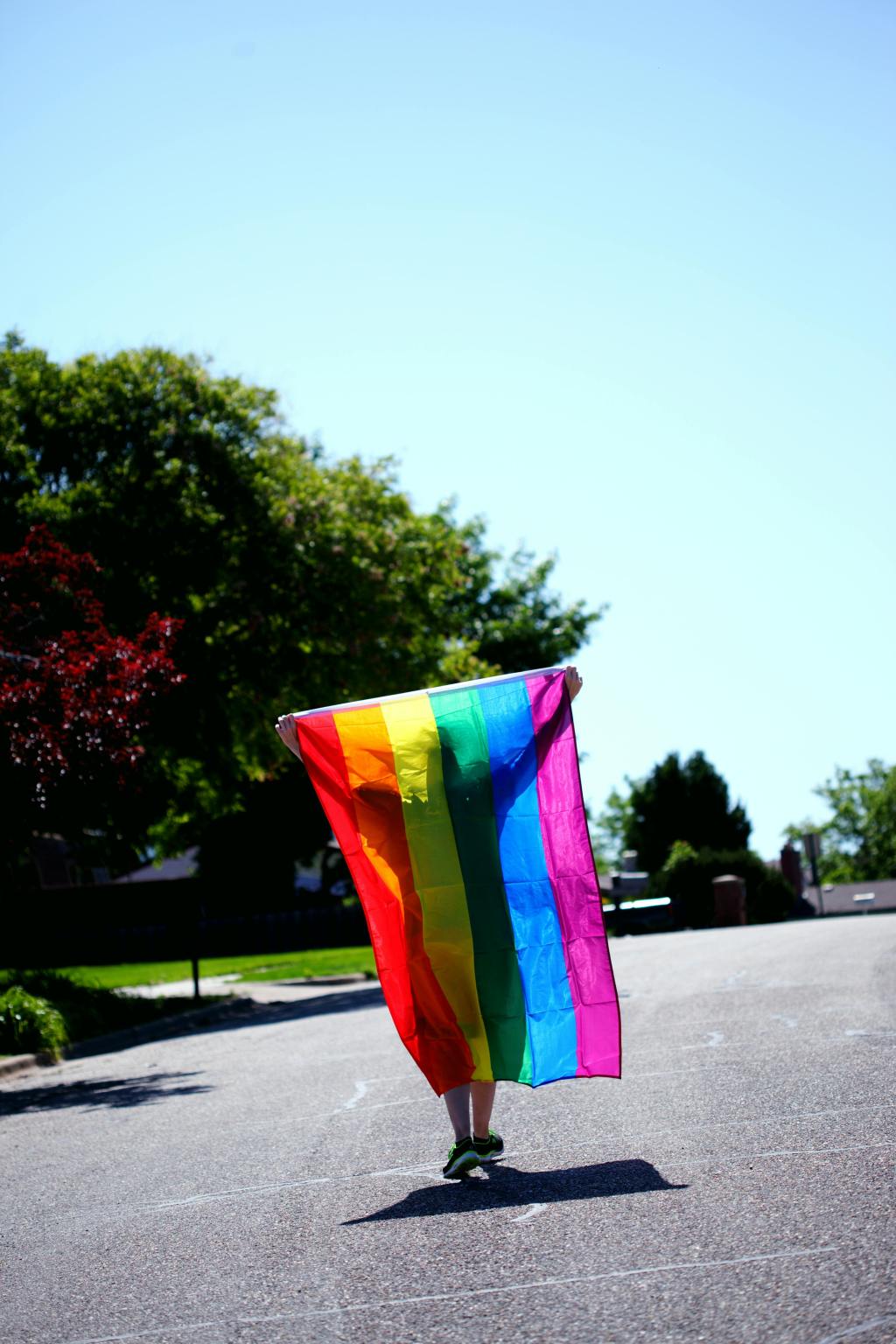
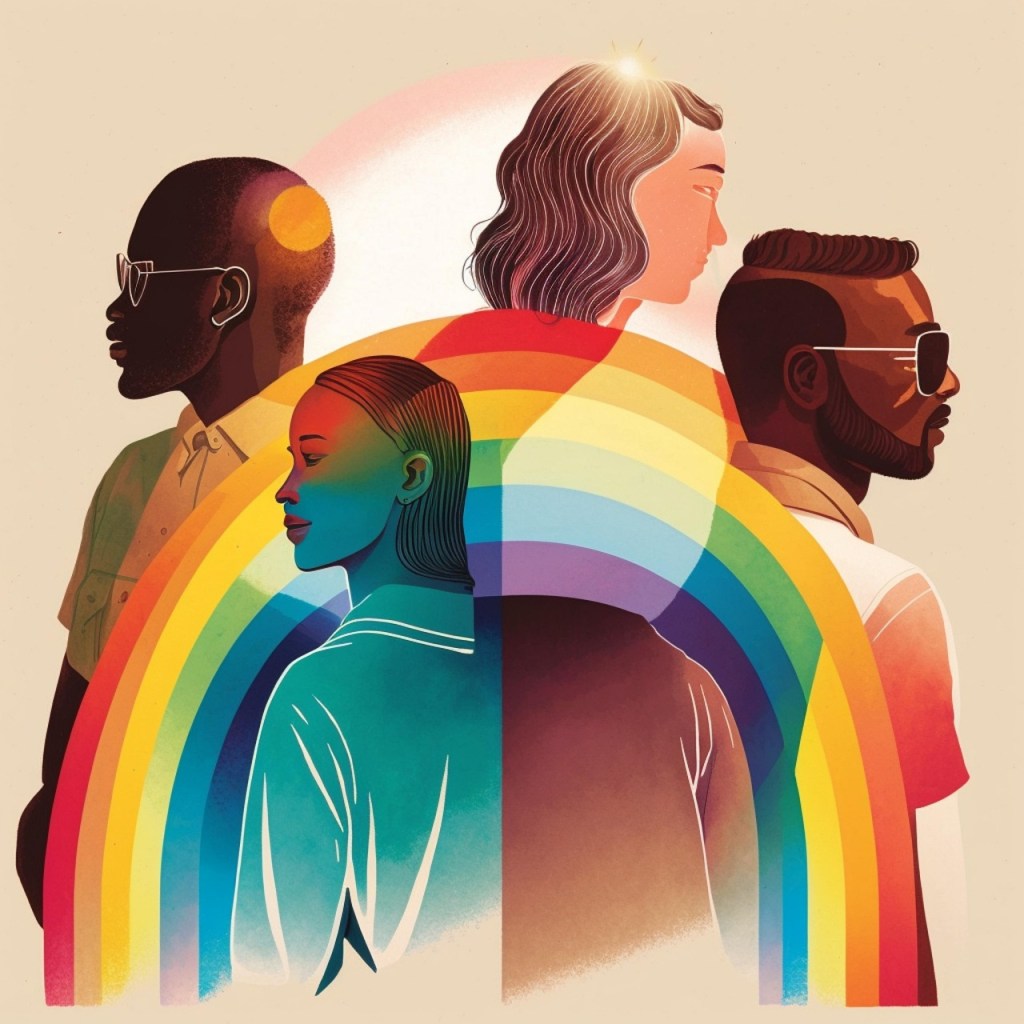
  • Pride 2025 Rolls On Despite Declining Corporate Sponsorship

    Pride 2025 Rolls On Despite Declining Corporate Sponsorship

    Long-time corporate sponsors are declining to invest in Pride festivals across the country.

    It’s speculated that this corporate exodus is primarily due to Donald Trump’s rollback of DEI initiatives and the targeting of public opponents. 

    With over 30 years of committed support, companies like Anheuser-Busch (a well-known figure in the beer industry most aligned with supporting veterans) declined to sponsor their hometown of St. Louis, Missouri’s Pride Parade this year, a $150,000 funding loss compared to last year.  

    In D.C., the mayor’s office received some backlash over its initial closure of a historic meeting spot for this year’s  “Freedom to be visible” Pride Festival.

    After backlash, Dupont Circle, which gained its reputation in the 1970s as a gay-friendly spot for Pride, was reopened for the event. 

    While DC is celebrating the city’s 50th anniversary of Pride celebrations, members and allies of the LGBTQ community searched for ways to honor the legacy of the very first Pride March, which took place on June 28th, 1970, on the one-year anniversary of the 1969 Stonewall Uprising.

    Reeling from the aftermath of Donald Trump’s expansion of executive power, this month has significantly highlighted the quick and direct impact of his efforts on the LGBTQ community. 

    Organizers persist against anti-LGBTQ executive orders through challenges made by GLBTQ Legal Advocates & Defenders (GLAD Law).

    Many cities are using the June Pride parades as symbols of rebellion, power, and protest. For Example,

    NYC’s Rise Up: Pride in Protest or San Francisco’s Queer Joy is Resistance 2025 Pride Parade Theme.

    Still, the political climate in cities like San Francisco creates challenges during Pride Month. 

    Ahead of the June 28th SoSF block party, founder of the event company Fake and Gay DJ Adam Kraft and drag artist Nicki Jizz have pulled out of the festival due to the organizers’ stance on the genocide taking place in Palestine. 

    These exits follow Kehlani dropping out of headlining for reasons yet to be confirmed but in considerable speculation due to SoSF’s statement against the Oakland singer’s stance with Palestine. 

    In part, San Francisco also operates within a deficit compared to Pride 2024 after major corporate pull-outs. 

    With community aid and consciously practicing themes of queer joy as resistance, June continues to be a time of celebrating identity. It is also a reminder of the rich history of human rights advocacy. In the words of Marsha P. Johnson, “No pride for some of us without liberation for all of us.”

    Pride Weekend: 

    June 6-9 Weekend: D.C WorldPride Parade, LA Pride,   

    June 13- 15 Weekend: Boston Pride For The People, New Orleans Pride Parade,  

    June 27-29 Weekend: St. Louis, Missouri Grand Pride Parade, NYC Rise Up: Pride in Protest, Chicago United in Pride