The Grammys are splitting the Best Country Music Album Award into two categories, Best Traditional Country and Best Contemporary Country, just months after Beyoncé, the highest-awarded artist in Grammy history, became the first black woman to win the award since it started in 1965.
The CEO in charge of the Grammy Awards stated this change came from longstanding requestswithin the Country community.
According to the CEO, artists have been asking the show to introduce a Contemporary Country category to address the expanding art styles within the Country genre.
Billboard notes that Pop, R&B, and Jazz also make distinctions between traditional and contemporary music and performances.
The Grammy’s CEO stated the recent change “makes country music parallel with what’s happening in other genres.”
However, is Country truly paralleling other categories ?
In 2020, Tyler the Creator criticized the Grammy’s for their “Best Urban Contemporary Album” award, the category was seen by many as ambiguous and racially charged.
After backlash, the award show renamed the category “Best Progressive Rap Album”.
So both these genres have new labels: Rap has a Progressive category, and Country has a Contemporary category.
Still, the Billboard CEO pointed out that Country music once encompassed genres such as Americana, Folk, and Roots styles of music.
These sub-genres have each gained awards for Best Album.
Once labeled Country artists, these musicians now have four different album awards categories, all derived from Country music.
Now there are 5.
The Best Americana Album category, honoring a style deriving from Country music, was created in 2023.
This recent change from the Grammys’ marks the two additional Country Album awards category , three news awards for Country sub-genres have been added to the show in the last 3 years.
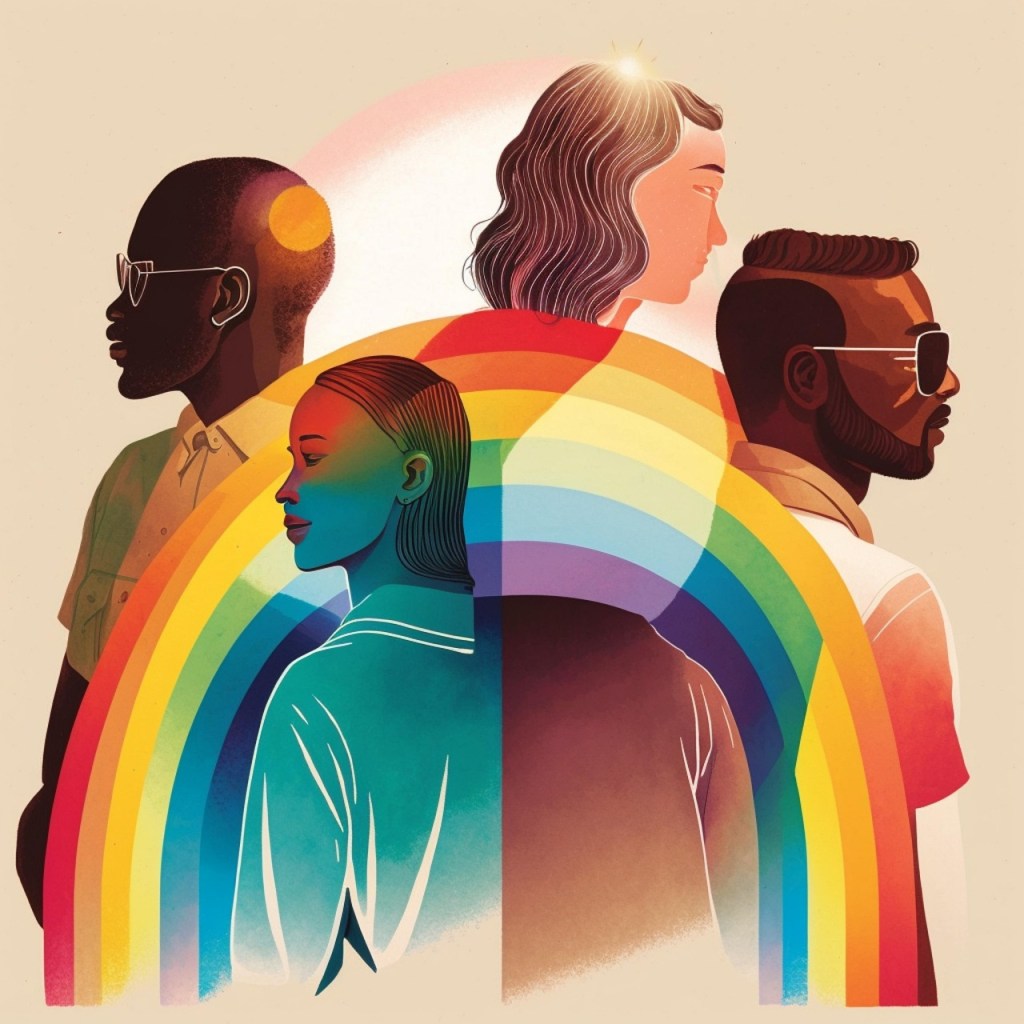
Long-time corporate sponsors are declining to invest in Pride festivals across the country.
It’s speculated that this corporate exodus is primarily due to Donald Trump’s rollback of DEI initiatives and the targeting of public opponents.
With over 30 years of committed support, companies like Anheuser-Busch (a well-known figure in the beer industry most aligned with supporting veterans) declined to sponsor their hometown of St. Louis, Missouri’s Pride Parade this year, a $150,000 funding loss compared to last year.
In D.C., the mayor’s office received some backlash over its initial closure of a historic meeting spot for this year’s “Freedom to be visible” Pride Festival.
After backlash, Dupont Circle, which gained its reputation in the 1970s as a gay-friendly spot for Pride, was reopened for the event.
While DC is celebrating the city’s 50th anniversary of Pride celebrations, members and allies of the LGBTQ community searched for ways to honor the legacy of the very first Pride March, which took place on June 28th, 1970, on the one-year anniversary of the 1969 Stonewall Uprising.
Reeling from the aftermath of Donald Trump’s expansion of executive power, this month has significantly highlighted the quick and direct impact of his efforts on the LGBTQ community.
Many cities are using the June Pride parades as symbols of rebellion, power, and protest. For Example,
NYC’s Rise Up: Pride in Protest or San Francisco’s Queer Joy is Resistance 2025 Pride Parade Theme.
Still, the political climate in cities like San Francisco creates challenges during Pride Month.
Ahead of the June 28th SoSF block party, founder of the event company Fake and Gay DJ Adam Kraft and drag artist Nicki Jizz have pulled out of the festival due to the organizers’ stance on the genocide taking place in Palestine.
These exits follow Kehlani dropping out of headlining for reasons yet to be confirmed but in considerable speculation due to SoSF’s statement against the Oakland singer’s stance with Palestine.
In part, San Francisco also operates within a deficit compared to Pride 2024 after major corporate pull-outs.
With community aid and consciously practicing themes of queer joy as resistance, June continues to be a time of celebrating identity. It is also a reminder of the rich history of human rights advocacy. In the words of Marsha P. Johnson, “No pride for some of us without liberation for all of us.”
Netflix’s new series “3 Body Problem” is science-fiction gold.
The new show from the creators of “Game of Thrones” has wowed audiences and critics alike.
This series takes place across different times and civilizations.
In one, a brave young scientist navigates her imprisonment under the Chinese Communist Party, and in the other, the world’s greatest scientific minds are dropping like flies from a series of mysterious deaths.
This shows explorations of environmental issues, authoritarian societies, and the attack on intellectuals seems perfectly made for the climate of 2025.
However, this hidden gem released in early 2024, follows a group of old college friends as they navigate the death of a former associate and fellow scientist.
Scientist Auggie (Eiza Gonzalez), Jack (John Bradley), Saul (Jovan Adepa), Jin (Jess Hong), and Will (Alex Sharp) find themselves challenged in various ways when an alien force threatens the freedom of Earth.
In the series, scientists find themselves locked in a death countdown as enemies with advanced technology attack their scientific work.
Another portion of the show, explores as ambitious intellectuals are invited to an extra-worldly video game challenging their scientific knowledge through a series of missions.
All the while, Detective Da Shi (Benedict Wong) is given an assignment from one of the most powerful government agencies in the world to figure out who is causing these mysterious occurrences and untimely deaths.
“3 Body Problem” is based on the book of the same name, it is the first book in Liu Cixin’s trilogy “Remembrance of Earth’s Past”.
The Most Popular Twitch creators seem to be living lavish Hollywood lifestyles with 6-figure a month checks. For the past couple of years, live streaming has grown into a popular style of social media.
However, the glitz and glamorous lifestyle led by these online personalities may be even more unreachable than they already seem, as creator profits are set to go down.
In the beginning of 2024, Twitch’s CEO claimed the company was in a financial crisis.
Twitch’s most popular streamers have negotiated lucrative deals.
Twitch allows top users to keep high percentages of subscription profits, and popular personalities on the platform have signed multi-figure branding deals.
In addition, Twitch offers multiple sources of income as the ad revenue system allows creators to collect revenue based on subscriptions, in-app purchases, and the number of ads watched by their audience.
All That Is About To Change
Twitch broke records in terms of viewers and subscriptions in 2024, but the company that has been non-profitable for 14 years has recently seen a decrease in revenue.
Twitch broke subscription and viewership records in 2024, and they also implemented more ads on the platform, but multiple analytics sites expect the company to have had less financial returns in 2024 than in 2023, when Twitch’s record revenue still did not show a financial profit.
Essentially, in 2024, Twitch generated billions of dollars, gained subscribers at a rapid rate, and increased ad revenue on its content. Yet, it was still projected to be unable to make a profit.
Why?
Businesses are only profitable when the amount of money they make (the revenue) is more than the amount of money they spend (the expenses).
When Twitch reported in early 2024 that it had not been profitable, it did not release its entire budget; however, we can conclude that its expenses for the year were in the multi-billions.
Twitch’s CEO admits that in 2023 alone, Twitch paid over 1 billion dollars in creator payouts.
As a result of Twitch’s failure to make a profit,workers have been laid off, ads have increased, and opportunities for users to make streaming their income are getting smaller.
All these things have the potential to be hurtful to the consumer experience and economically stressful for creators on the site.
Twitch, like other struggling online media platforms, announced plans in 2024 to reduce creator payouts by 28%.
Twitch plans to take away the 70/30 pay out model, where creators receive 70% of the total revenue in subscriptions each month; to a 50/50 payout model where creators receive only 50% of the money made from their monthly subscriptions.
For example, a user making 70,000$ a month would have their monthly salary decreased to 50,000$ a month, for an overall decrease of 240,000$ dollars a year before taxes.
In addition, Twitch’s ad revenue program, which allows users to profit directly from the ads their viewers watch, has reportedly dropped in value by up to 95% for some users in 2025.
And that is not all
Twitch is currently owned by Amazon, which may have the marketing network and profit margins to support the streaming business while it struggles to find a profitable business model.
Twitch often finds itself embroiled in controversy. In the past two years, live streamers have caused media storms, crashing cars, committing crimes, partying, and engaging in risky behaviors on their streams.
Twitch’s audience is primarily male teens and young adults, which could give Twitch a special marketing advantage for male-focused businesses.
These demographics could also be a huge downfall for Twitch if upcoming government regulations on social media succeed in preventing and/or deterring young people’s ability to create accounts on the Twitch platform and others.
Though these regulations may not affect current Twitch users, they will restrict Twitch’s ability to capitalize on its influence and popularity with young children in the future.
Potentially stunting a market that has already struggled to gain traction and reach profitable standings.






 Something News Network